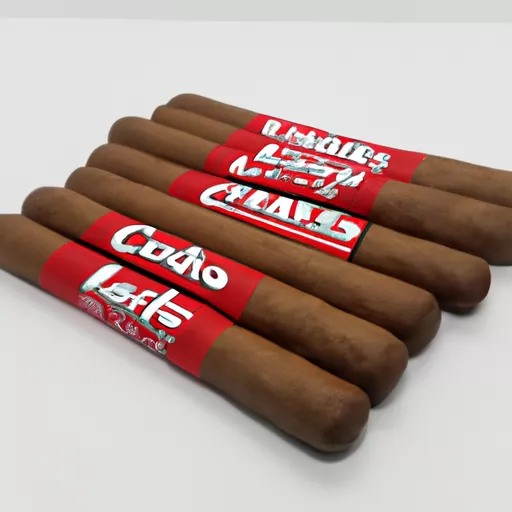
As a cigar enthusiast, I have tried many different types of cigars over the years. From full-bodied Cubans to smoother Nicaraguan blends, I thought I had tasted it all. However, my curiosity was piqued when I stumbled upon the world of little cigars. These petite sticks, often referred to as cigarillos, may be small in size but pack a punch in terms of flavor and aroma. In this article, I will share my experience and knowledge of little cigars, from their history to their various flavors and blends.
History of Little Cigars
The origins of little cigars can be traced back to the late 1800s in the United States. As production costs of regular sized cigars increased, manufacturers began to look for ways to produce affordable alternatives for those seeking a quick smoke. Thus, the first little cigars were born. These smaller cigars were made with leftover tobacco scraps and wrappers, making them more affordable for the average consumer.
Over time, the popularity of little cigars grew, and they became a staple in the cigar industry. However, they faced some challenges, particularly during the early 20th century when the anti-smoking movement began to gain traction. With strict regulations on advertising and packaging, little cigars were labeled as a cheaper and inferior substitute for regular cigars.
Fortunately, with advancements in technology and changes in consumer preferences, little cigars regained their popularity and established their place in the market. Today, they come in various sizes, blends, and flavors, appealing to a wide range of cigar lovers.
How Little Cigars are Made
Little cigars are made in a similar manner to regular cigars. The difference lies in the size and the amount of tobacco used. Most little cigars are made with a single leaf filler, while regular cigars can have up to three filler layers.
Traditionally, little cigars are rolled by hand, but with advancements in technology, some manufacturers now use machines to produce them. The tobacco is first dried and fermented to achieve the desired flavor and aroma. The dried leaves are then hand-rolled or machine-rolled into a cylindrical shape using a binder leaf to hold the filler together. The cigar is then wrapped with a wrapper leaf and cut at the appropriate length to create a little cigar.
Types of Little Cigars
Little cigars come in various sizes and flavors, offering a wide range of options for cigar lovers. The most popular sizes are typically 3-4 inches in length and have a ring gauge of 20-24. This makes them slightly larger than cigarette sizes and smaller than regular cigars.
The most common types of little cigars are filtered and non-filtered. Filtered little cigars are similar to filtered cigarettes, with a filter made of cellulose or charcoal to reduce the harshness of the smoke. Non-filtered little cigars are rolled without a filter and are often seen as a more traditional option.
Another differentiation between little cigars is in their blends. Some are made with tobacco from a single source, while others use tobacco from multiple regions, such as Cuba, Dominican Republic, and Nicaragua. This diversity in blends allows for various flavor profiles, catering to different palates.
Flavors of Little Cigars
One of the greatest appeals of little cigars is the wide range of flavor options available. From traditional tobacco flavors to infused and flavored varieties, there is something for everyone. Infused little cigars are made by infusing traditional tobacco with different flavors, such as vanilla, cherry, and chocolate. These flavors are added during the fermentation process, resulting in a unique smoking experience.
On the other hand, flavored little cigars are made by using flavored wrappers or tip-dipping methods. Flavored wrappers have a distinctive taste from the wrapper leaf, while tip-dipping involves dipping the tip of the cigar in a flavoring agent, such as honey or coffee.
Choosing a flavor ultimately boils down to personal preference. If you enjoy the taste of traditional tobacco, a non-flavored option may be the way to go. However, if you are looking for a sweeter and smoother smoke, infused and flavored little cigars would be worth exploring.
The Experience of Smoking a Little Cigar
Smoking a little cigar is a unique experience. The size of the cigar allows for a quick and convenient smoke, perfect for those on the go. However, don’t let their size fool you; little cigars still provide a full and satisfying smoking experience.
When lit, little cigars release a pleasant aroma, characterized by the type of tobacco and flavor used. The smoke is smooth and easy to inhale, making it an ideal choice for those who prefer a milder smoke. As for the flavor, it is often balanced, with notes of sweetness and spice, depending on the blend. This complexity in flavor is what sets little cigars apart from cigarettes.
Another advantage of little cigars is their affordable price. Due to their smaller size and simpler production process, they are often priced lower than regular cigars, making them an excellent option for cigar enthusiasts on a budget.
In terms of storage, little cigars should be kept in a humidor, just like regular cigars. This ensures that they stay fresh and do not dry out. However, if you are planning on smoking them soon, they can be stored in a sealed container without the need for a humidor.
In Conclusion
Little cigars may be small in size, but they deliver big in terms of flavor and smoking experience. With a rich history and unique manufacturing process, they offer a diverse range of options for cigar lovers. From traditional tobacco flavors to infused and flavored varieties, there is a little cigar to suit every palate. So, the next time you’re looking to try something new, don’t overlook the small but mighty little cigar.